
Why autumn is the best time to sell garden maintenance plans
A plain pricing guide for selling sensible autumn garden maintenance plans.
Quick answer: Autumn is a good time to sell garden maintenance plans because the work is visible, urgent and easier to explain. Leaves are dropping, moss is showing, hedges are due a final tidy, lawns need care before wet weather, and customers can see what happens when a garden is left too long. The best offer is not a pushy contract. It is a clear plan with a sensible visit rhythm, honest exclusions and a price structure the customer can understand.
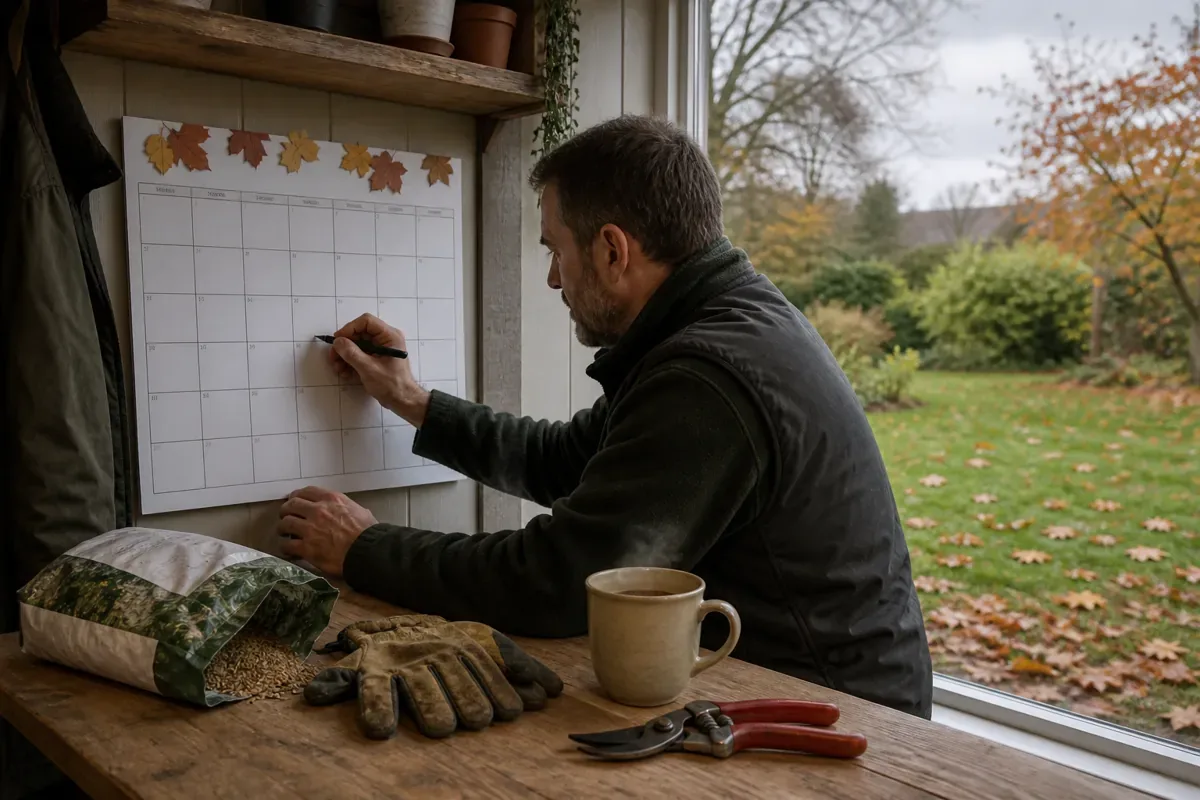
why autumn changes the conversation
In spring, many customers ask for everything at once. In summer, they often want mowing kept under control. By late August, September and October, the conversation changes. A garden that looked acceptable in July can start to look tired quickly. Leaves collect in corners. Wet grass grows unevenly. Moss becomes more obvious. Hedges that were ignored through summer suddenly block paths and windows.
That gives a gardener a practical opening. You are not inventing a need. You are pointing to work the customer can already see, then explaining what can be done now, what can wait, and what should not be promised because the weather may decide for you.
The Royal Horticultural Society's autumn lawn advice is a useful reminder here: scarifying, aerating and autumn feeding all depend on the condition of the lawn and the weather, not just a date on a calendar. Operators should use that same mindset when selling plans. Price the work around judgement, access and time, not a magic seasonal package.
what you are really pricing
A maintenance plan is not just a lower price for repeat mowing. If you treat it like that, you will undercharge and resent the job by November. You are pricing travel, setup time, waste handling, communication, seasonal judgement, and the reliability of returning when the garden needs you.
Most autumn plans fall into three bands. You can call them whatever you like, but the difference needs to be obvious.
| Plan type | Best for | Typical work included | Pricing watchout |
|---|---|---|---|
| Basic upkeep | Customers who already have a manageable garden | Mowing when growth allows, edges, light leaf clearing, quick visual checks | Do not include heavy hedge work or large waste removal by accident |
| Autumn reset | Gardens that need bringing back under control before winter | One larger tidy up, then one or two follow up visits for leaves, paths and lawn condition | Quote the reset separately if the first visit is heavy |
| Seasonal care plan | Customers who want fewer surprises through autumn and winter | Agreed visits, lawn observation, hedge timing, clearing wet leaves from key areas, small pruning where suitable | Be clear that specialist tree work, waste fees and materials may be extra |

how to talk about price without sounding slippery
Customers do not need a lecture on your business costs, but they do need to know why one garden costs more than another. Use plain reasons: size, slope, access, grass length, wet ground, waste, parking, hedge height, number of visits and whether materials are included.
A good autumn quote often has two parts. First, the catch-up work. Second, the maintenance rhythm after that. If the lawn is long, the borders are messy and the hedge is heavy, do not hide that inside a cheap monthly figure. Say: the first visit is a reset, then we can move to a simpler maintenance price if you want regular help.
That one sentence protects both sides. The customer sees why the first bill is higher. You avoid turning a rescue job into a badly priced repeat customer.
a simple pricing checklist before you offer a plan
- Walk the whole garden before naming a price.
- Check where green waste will go and whether removal is included.
- Ask whether the customer wants appearance, lawn health, access cleared, or a bit of everything.
- Separate heavy first-visit work from ongoing visits.
- Say what happens if weather makes mowing, scarifying or hedge work unsuitable that week.
- Put any extras in writing, especially materials, waste, tall hedges, pressure washing, window cleaning or specialist work.
- Take photos with permission so the customer can see progress and you can quote future work more fairly.
where window cleaning can fit
Window cleaning can sit naturally beside autumn garden maintenance, but only if you keep the offer clean. Do not bolt it on as a vague extra. Offer it where it solves a real problem: regular outside upkeep, paths kept clear, windows cleaned after dusty hedge work, or a seasonal refresh before family visits and darker evenings.
The business reason is simple. Garden work is weather sensitive and seasonal. A compatible add-on can smooth the diary, but it must still be priced properly, insured properly and delivered to a decent standard. If you cannot do it well, do not sell it yet.
when not to sell a plan
Some jobs should stay as one-off work. If the customer only needs a pre-sale tidy up, a landlord clearance, or a single hedge cut, take the job on those terms. A plan also makes no sense when access is poor, the customer is unclear about the scope, or the garden needs specialist work outside your competence.
Be careful with pesticide, tree, waste and legal requirements. Rules and responsibilities can change, and local circumstances matter. If a job touches regulated work, get current guidance or send the customer to a qualified specialist.
when to call in another professional
Operators should know their limits. Bring in or recommend a professional for large trees, unsafe ladders, major drainage problems, invasive plants that need specialist handling, electrical garden features, structural retaining walls, or any job where waste, chemicals or safety duties are not clear. Saying no to the wrong work is part of running a serious local service.
the Shear Power angle
Shear Power is building around practical local operators, useful area pages and clearer ways for homeowners to find reliable garden help. If you are already doing good work, autumn is the season to start thinking like a repeat service business rather than a person chasing odd jobs.
Keep your plans simple. Price the reset honestly. Explain the maintenance rhythm. Record what you agreed. If the Shear Power directory and future Licensee opportunity fits the way you want to work, keep an eye on it. The operators who will benefit most are the ones who already know that steady local service beats big promises.