
What new gardeners should track after every job
Simple job records that help gardeners quote better, build trust and spot weak work.
A new gardening business does not need a complicated system after every visit. It does need a record that answers a few basic questions: what was agreed, what was done, what changed, and what needs attention next time.
That record protects both sides. It stops a regular visit becoming a fuzzy memory by Friday afternoon, and it gives the gardener something useful to look at before quoting the next job. A phone note, a short email, a paper sheet or a simple folder can all do the job. The point is consistency, not clever software.
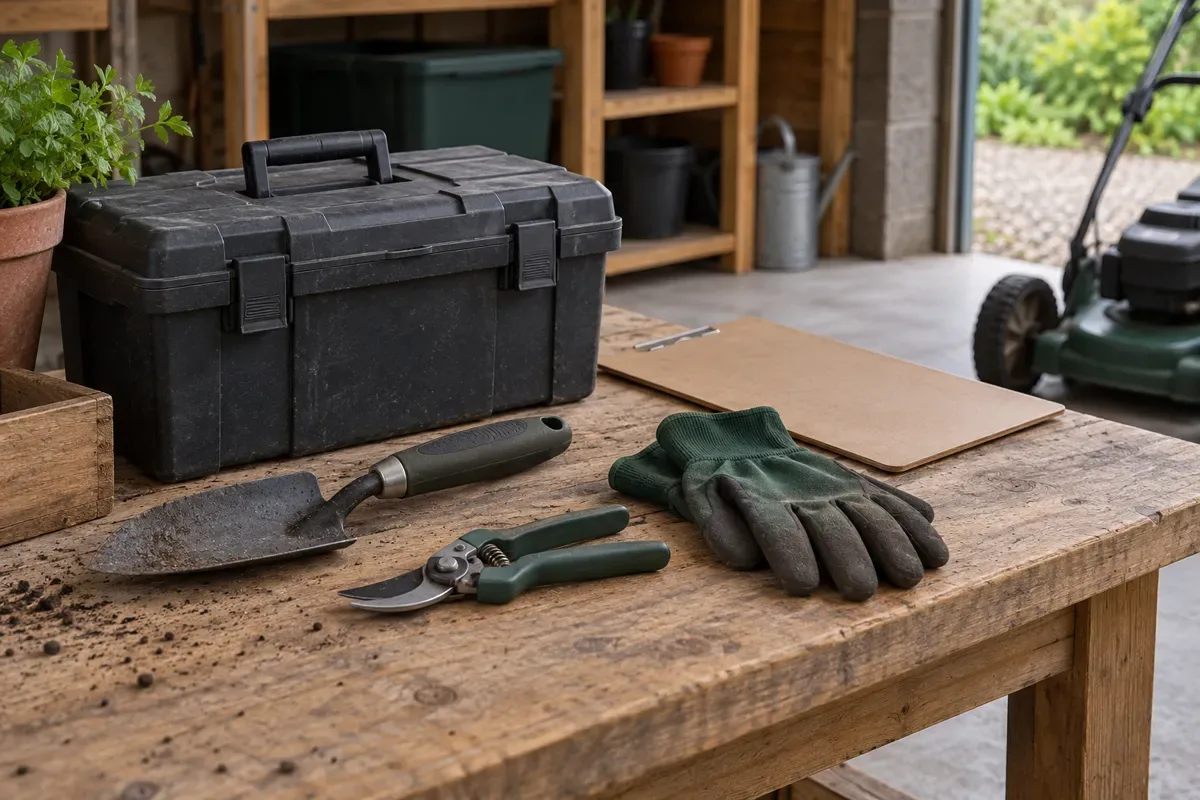
Before the visit: keep the original scope close
Before leaving for a job, pull up the original message or quote. Read it again. The customer may remember asking for a full tidy when the agreement was mowing, edging and weeding one bed. Equally, you may have promised to take away a small amount of green waste and then forgotten that part.
Track the service booked, the area discussed, access notes and any stated limits. Limits matter. If a hedge is outside the agreed work, if waste removal was not included, or if poor weather makes a task unsafe, that is easier to explain when the original scope is clear.
Do not use notes as a substitute for a proper assessment. If a job involves height, damaged structures, large trees, chemicals, heavy lifting or specialist equipment, stop and decide whether you have the competence, cover and safe method for it. Passing work on can be the professional choice.
During the visit: notice the things that change the job
Garden work rarely stays exactly as described. A side gate may be locked. A lawn may be too wet to mow cleanly. A pile of cuttings can be much larger than it looked in photos. The useful habit is to record the change while it is fresh, then tell the customer plainly.
A quick note might say that mowing was postponed because the ground was saturated, or that the bed was cleared but extra waste needs a separate collection. That is better than trying to reconstruct the day later from a muddy van floor and a dozen WhatsApp messages.
| What to note | Why it helps |
|---|---|
| Work completed | Gives the customer and gardener the same record of the visit. |
| Time on site and travel | Shows whether a small job is taking more of the day than expected. |
| Access or weather problems | Helps plan the next visit and explain changes to the schedule. |
| Extra work requested | Stops added tasks being confused with the original quote. |
| Waste and materials used | Helps price future work without guessing. |
| Next visit or follow-up | Keeps repeat maintenance from slipping out of the diary. |
Photos can be useful, but they need context
Before-and-after photos are helpful when they show a real change or record a problem area. They are less useful when they turn into a gallery of perfect angles with no explanation. Take photos only where appropriate, respect the customer's privacy, and avoid including people, house numbers, vehicles or anything personal unless you have clear permission.
Keep a short note beside the image: what it shows, when it was taken and whether it is a condition record or a finished result. A photo of a flooded lawn, for example, may explain why mowing was delayed. It does not prove that you can fix drainage.
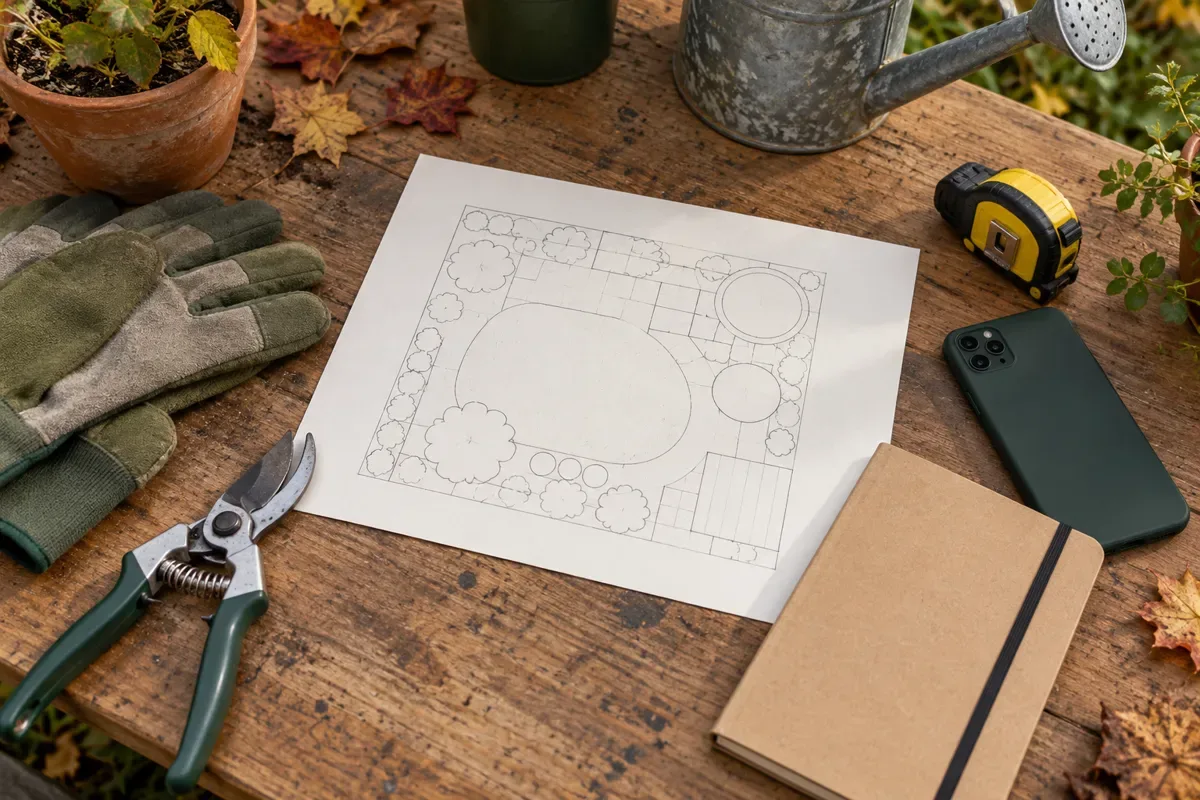
After the visit: send the useful bit
A short customer update is often enough. Say what you completed, flag anything that could not be done, and state the next agreed step. Do not pad it with sales talk. Customers mainly want to know whether the gate is shut, what happened to the waste, whether the lawn was cut, and when you expect to return.
This message also gives you a clean record if the customer later asks why an item was not included. Keep the tone calm. If the scope changed, explain the reason and quote any extra work before doing it where possible.
Once a week: look for the jobs that do not stack up
The note from one visit is useful. The pattern across a week is where the business lesson sits. Review a handful of jobs and ask which ones created unpaid travel, repeated messages, awkward access, surprise waste or vague extras. Those are the jobs that need a clearer scope, a different price, a different slot in the route, or a polite refusal next time.
Do the same for the good jobs. Reliable repeat maintenance, straightforward access and customers who understand the service are not boring. They are what makes a small round easier to run.
Keep the record simple enough to repeat
New gardeners can waste hours building a system they do not use. Start with one page or one form per job: date, customer or site reference, agreed work, completed work, time, issues, photos if relevant, and next step. Improve it after a month of real jobs instead of designing it around an imaginary perfect week.
If you want a public profile that reflects that sort of clear, ordinary service, keep an eye on the Shear Power directory and future licensee opportunity. A directory listing cannot fix poor communication or a messy round, but it can give local customers a clearer place to find a gardener who explains the work properly.
Track the job while it is still fresh. That is usually enough to make the next quote, visit and customer message less stressful.