
What makes a local gardener look trustworthy online?

How to read online gardener profiles without being fooled by polish alone.
Quick answer: a trustworthy local gardener profile is specific before it is glossy. It tells you what work the gardener actually does, where they usually work, how to make contact, what sort of photos you are looking at, and what still needs checking before you book. A smart logo or a perfect star rating can help, but it cannot replace clear service scope, local evidence and plain communication.
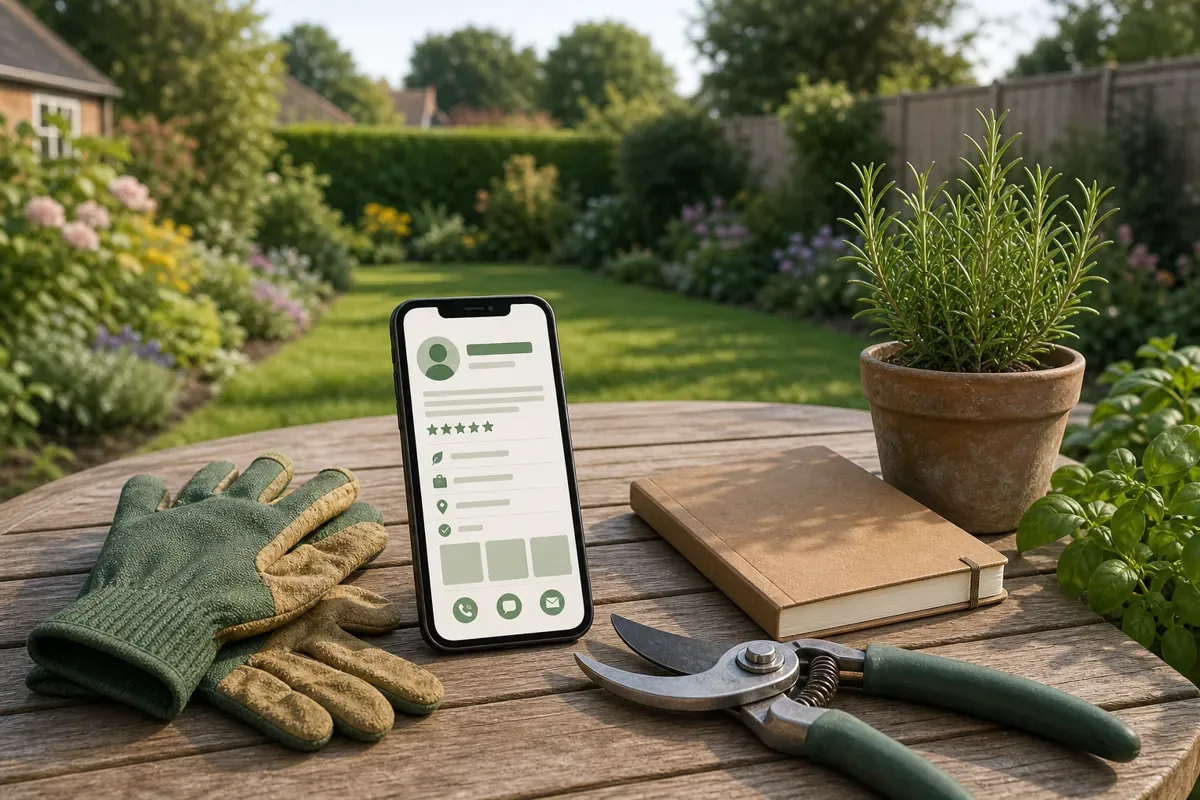
The myth this article needs to challenge
People often assume that an online profile looks trustworthy because it looks busy. There are stars, badges, big promises, smiling stock photos and a long list of services. Some of that may be genuine. Some of it may be noise.
Garden work is practical, local and seasonal. A good gardener can be brilliant on a wet Tuesday in November and still have a very ordinary website. Another operator can have a slick page but give vague answers about waste, hedge height, access, insurance or timing. The online profile is the start of trust, not the whole proof.
Myth 1: a long service list means better help
A profile that claims every garden task under the sun can look impressive, but it can also hide what the gardener is actually set up to do well. Lawn mowing, regular garden maintenance, hedge trimming, border tidying, patio weeding and green waste removal are not the same job. They need different tools, time and expectations.
A better profile says what is routinely offered and what needs a separate conversation. For example, regular mowing and light maintenance may be normal weekly work, while tall hedges, heavy clearance, pressure washing or tree work may need a quote, different equipment or a different tradesperson.
That sort of boundary is not a weakness. It is one of the first signs that the person understands the work.
Myth 2: perfect photos prove perfect service
Garden photos are useful, but only when they are honest. Before and after pictures should show enough context to understand the job: the size of the area, the level of overgrowth, the finish achieved and whether the photo is an example, an illustration or a real job.
Be careful with images that feel too generic. A spotless lawn, dramatic sunset and no visible detail might be attractive, but it does not tell you whether the gardener can handle your sloped path, narrow side gate, damp grass, shared access or awkward waste pile.
For gardeners, ordinary useful photos often beat polished ones. A clear picture of a tidy lawn edge, a labelled service area, a van or car setup, a waste bag after a tidy up, or a simple work-in-progress shot can feel more credible than a stock image. The point is not perfection. The point is context.
Myth 3: trust badges answer every question
Badges, review snippets and directory profiles can help people compare options, but they should not be treated as a replacement for basic checks. A homeowner still needs to know who is coming, what is included, how the quote works, how weather affects timing and whether the gardener is comfortable with the job.
If a profile mentions insurance, licences, specialist treatments or waste handling, the wording should be careful. Homeowners should ask for current details where they matter. Gardeners should avoid making legal or technical claims they cannot evidence. It is better to say, "Ask us before booking if waste removal or specialist work is involved" than to make a broad claim that might not fit every job.

A quick myth check
| What people often believe | What to look for instead |
|---|---|
| A polished profile means the service is reliable | Look for clear services, real local relevance and easy contact details. |
| More services means better value | Check whether the gardener explains what is routine and what needs a separate quote. |
| Photos speak for themselves | Look for context, honest captions and examples that match the kind of job you need. |
| Reviews remove the need to ask questions | Use reviews as one signal, then confirm scope, access, timing and waste. |
What homeowners should check before booking
- Does the profile name the actual services offered, rather than using vague phrases like "all garden work"?
- Does it mention the local area or the kind of rounds the gardener usually serves?
- Can you see how to request a quote without hunting for contact details?
- Do the photos show practical examples, not just decorative garden scenes?
- Does the wording explain when a visit, photo or separate quote may be needed?
- Is the gardener careful about safety, access, pets, weather and green waste?
If those points are missing, it does not automatically mean the gardener is poor. It may mean you need to ask more before agreeing the work.
What gardeners can learn from this
Trust online is not built by pretending to be a national company if you are a local operator. It is built by being findable, understandable and honest about the work you do. A small local round can look very professional if the profile is plain and useful.
That means naming your normal jobs, showing the sort of gardens you work on, keeping photos honest, responding clearly and not overclaiming coverage. If you add services such as window cleaning, hedge care or seasonal tidy ups, explain where they fit instead of bolting them onto a giant list.
Shear Power's directory model is meant to support this kind of clarity. Homeowners need a calmer way to find local help. Good gardeners need a better web presence without turning themselves into marketers first.
When to call a professional
Call a suitable professional when the job involves tall hedges, heavy clearance, steep banks, difficult access, suspected nesting birds, specialist treatments, large amounts of waste, or equipment you would not safely use yourself. Ask what is included before the visit. A reliable gardener will usually prefer a clear conversation to a rushed booking based on one blurry photo.
Late August and early autumn are also a good time to be realistic. Lawns may be tired after summer, hedges may need timing checked, and tidy ups can grow quickly once wet growth and fallen leaves arrive. Clear online profiles help both sides have that conversation earlier.
How Shear Power wants local trust to work
Shear Power is built around practical local service: lawns, garden maintenance, hedge care and related outdoor work where it is offered. The public idea is simple. Make it easier for homeowners to find clear local help, and make it easier for genuine operators to explain what they do without overclaiming.
If you are looking for garden help, use Shear Power's area and directory pages as a starting point, then ask the ordinary questions that make a job go well: what is included, when can it be done, what photos help, and what should be quoted separately. If you are a gardener who wants to look more trustworthy online, start with the same rule. Be specific first. The polish can come later.