Is a Gardening Business Profitable in the UK? An Insight into the Lawn Care Industry
By Ben Gillott1 June 20244 min read
The gardening industry is experiencing a significant boom, not just in the United States but
The gardening industry is experiencing a significant boom, not just in the United States but globally. In the UK, this trend is no different, with gardening and lawn care services emerging as lucrative opportunities. Let's delve into some interesting statistics and explore whether a lawn care service business can provide a dependable and profitable income in the UK.
UK Gardening Industry Statistics
UK consumers are set to spend £16 billion on gardening and landscaping in 2024. This figure includes around £9 billion on landscaping services and £7 billion on garden supplies. Since 2020, this spending has increased by approximately £3 billion, indicating a steady rise in the gardening sector's popularity and economic impact.
With a population of about 67 million, the average spend per person on gardening and landscaping comes out to approximately £240 annually. Breaking it down regionally, even small towns with 0.1% of the UK population (around 67,000 people) see spending of around £16 million. These numbers highlight the substantial market size and the potential revenue available to those in the lawn care business.
The UK gardening and landscaping industry is growing faster than the overall economy. This growth is driven by a heightened interest in outdoor spaces, spurred by the COVID-19 pandemic, which has led people to value their gardens more. As urban areas incorporate more green spaces and individuals seek to improve their homes' exteriors, the demand for professional lawn care services continues to rise.
Trends and Interests
Two notable trends in the UK gardening sector are the increased interest in native plants and edible gardens:
Native Plants: There's a growing awareness of the importance of native plants in supporting local ecosystems and promoting biodiversity. This trend is partly fueled by environmental concerns and the push for more sustainable gardening practices.
Edible Gardens: More people are turning to growing their own food, motivated by supply chain concerns, a desire for fresher produce, and the benefits of self-sufficiency. Surveys show that 63% of UK adults are either already growing edible plants or are interested in starting.
Step 1: Buying Gardening Tools & Equipment
Starting a lawn care business requires a significant initial investment in equipment. Here are some typical costs:
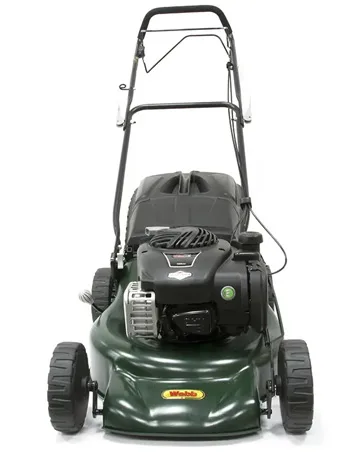
Lawn Mowers: Professional-grade mowers can cost between £400 and £4,000.
Trimmers and Edgers: These essential tools range from £80 to £300 each.
Blowers: Leaf blowers can cost between £120 and £400.
Hand Tools: Basic tools like rakes, shovels, and pruning shears cost around £40 to £150.
Safety Gear: Including gloves, ear protection, and eye protection, totalling around £80.
Step 2: Business Basics
Your business name is your brand's first impression. Choose a name that reflects your services and is easy to remember. Once you have a name, outline the services you'll offer. Common services include lawn mowing, hedge trimming, weeding, garden clearing, and fence painting.
Research your local market to set competitive pricing. Consider factors like service type, frequency, property size, and local demand. Offering package deals or introductory discounts can help attract your first customers.
Step 3: The Professional Gardener Look
A professional logo is essential for branding and marketing. Hire a graphic designer or use online tools to create a logo that represents your business. Uniforms add a professional touch and make your team easily recognizable. Choose comfortable, durable clothing with your logo prominently displayed.
Establish relationships with suppliers for plants, soil, mulch, and other gardening materials. Buying in bulk can save you money and ensure you always have the necessary supplies.
Step 4: Set Up Social Media Profiles
Social media is a powerful tool for reaching potential customers. Create profiles on platforms like Facebook, Instagram, and Twitter. Share photos of your work, gardening tips, and customer testimonials to engage your audience and build a following.
Regular updates and interactions with followers can help establish your credibility and attract new clients.
Step 5: Build a Website
A professional website is crucial for showcasing your services and making it easy for customers to find you. Include detailed information about your services, pricing, and contact details. Add a portfolio of your work and customer reviews to build trust with potential clients. Make sure your website is mobile-friendly and easy to navigate.
Step 6: Focus on SEO and Google Ads
Search Engine Optimization (SEO) is essential for driving organic traffic to your website. Use relevant keywords such as "starting a gardening business for profit" throughout your site to improve your search engine ranking. Create valuable content like blog posts and how-to guides to attract visitors and establish your expertise.
Google Ads can help you reach a wider audience quickly. Set a budget and create targeted ads to appear in search results and on relevant websites. Track your ad performance and adjust your strategy as needed to maximize your return on investment.
Step 7: Distribute Flyers and Go Door-to-Door
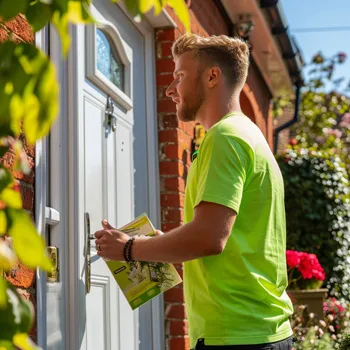
Traditional marketing methods like flyers and door-to-door outreach can still be highly effective. Design eye-catching flyers with your business name, logo, services, and contact information. Distribute them in your local area, focusing on neighborhoods with well-maintained gardens.
Going door-to-door allows you to introduce yourself and your services personally. Prepare a brief pitch and offer a special discount for first-time customers. This personal touch can help you build relationships and secure your first clients.